
When Justice Is Selective, No One Is Safe "Malawi’s Dangerous Drift Toward Impunity"
Location
Lilongwe
Posted
Saturday, April 11, 2026Description
Last year, Malawi lost Arjun Menon, a 48-year-old man who was brutally murdered at his residence in Blantyre. Menon was the Operations Manager of Cricket Malawi, and his contribution to the sport was immense and far-reaching. He played a pivotal role in the growth and success of the national side and had previously coached in Singapore, Chile, Botswana, and Indonesia.
This was not just a loss to the cricket community. It was a loss to Malawi. Yet many brushed it aside with a disturbing phrase “ndi za amwenye." As if being Malawian suddenly depends on complexion or surname. As if some lives matter less,that indifference is dangerous.
Because when a society decides that certain victims do not count, it creates space for killers to believe they can get away with murder whether the victim is Asian-origin, Black, foreign-born, or from a remote village deep inside Malawi and the signs are everywhere.
We watched, almost numb, as a kidnapping took place at a well-protected hotel in the heart of the capital, Lilongwethe Crossroads saga involving one of their own. The episode exposed alarming gaps: lack of professionalism, weak seriousness, and a casual attitude to grave crimes. If a kidnapping can happen in such a high-security, high-profile space and still be mishandled, what message does that send to criminals?
It tells them "dziko ndi lawo, ndalama ndi zawoso", the country is theirs, the money is theirs and accountability is optional. If they can get away with a kidnapping at the centre of Lilongwe, what more can they get away with?
If justice struggles to respond convincingly to the murder of Arjun Menon, how can we be confident it will protect a local malawian man killed quietly far from cameras and headlines?
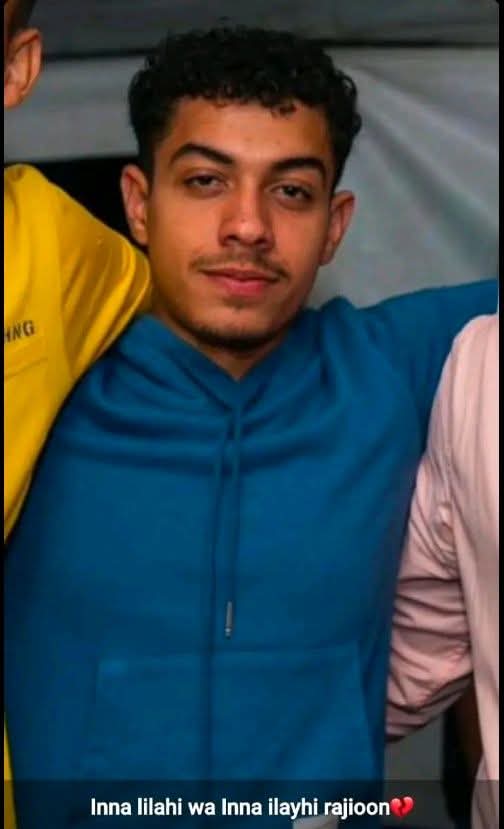
Today, another painful story confronts us. In Salima, police have arrested Amaan Khansia, aged 20, on suspicion of killing Abdul Aziz Panjuuani, aged 22, after allegedly hitting him with a vehicle at WheelHouse Cottage. Police spokesperson Esther Mkwanda has confirmed the arrest. Reports indicate the two were together at a social gathering when a dispute escalated into violence. During the chaos, an unidentified person allegedly fired a gun, after which Panjuuani was run over. There are also unconfirmed reports that the victim may have been shot before being struck by the vehicle.
A young man is dead, af amily has lost a son and already, justice appears uncertaindancing to a different tune.
What is most troubling is not just the crime itself, but the public reaction. The quiet racism. The selective outrage. The idea that crimes involving Malawians of Asian origin are somehow "internal matters," not national emergencies. This mindset is poisoning us.
All lives matter without footnotes, without racial qualifiers,by normalising indifference, we are raising a generation that believes murder is negotiable, justice is selective and identity can excuse violence. I write this not as an investigator or a politician, but as a disappointed Malawian. In 2026, it is shocking that we still categorise citizens as "real"Malawians and others as of origin. That same thinking fuels hostility toward the national cricket team and other spaces where diversity exists.
Malawi must wake up,we do not have "Asian killers" or "local killers."We have killers and a justice system that must be strong enough, professional enough and courageous enough to confront them without fear or favour. Because if impunity is allowed to grow unchecked, no one is safe not in Blantyre, not in Lilongwe, not in Salima and not in the most remote corner of this country. Justice delayed, diluted, or denied today will return tomorrow wearing a different victim’s name.

Ratings & Reviews
No reviews yet — be the first to share your experience!