
Gold Rush Endangers Wildlife — Illegal Mining Tears Into Malawi's Animal Sanctuaries
Location
Malawi
Posted
Saturday, June 20, 2026Description
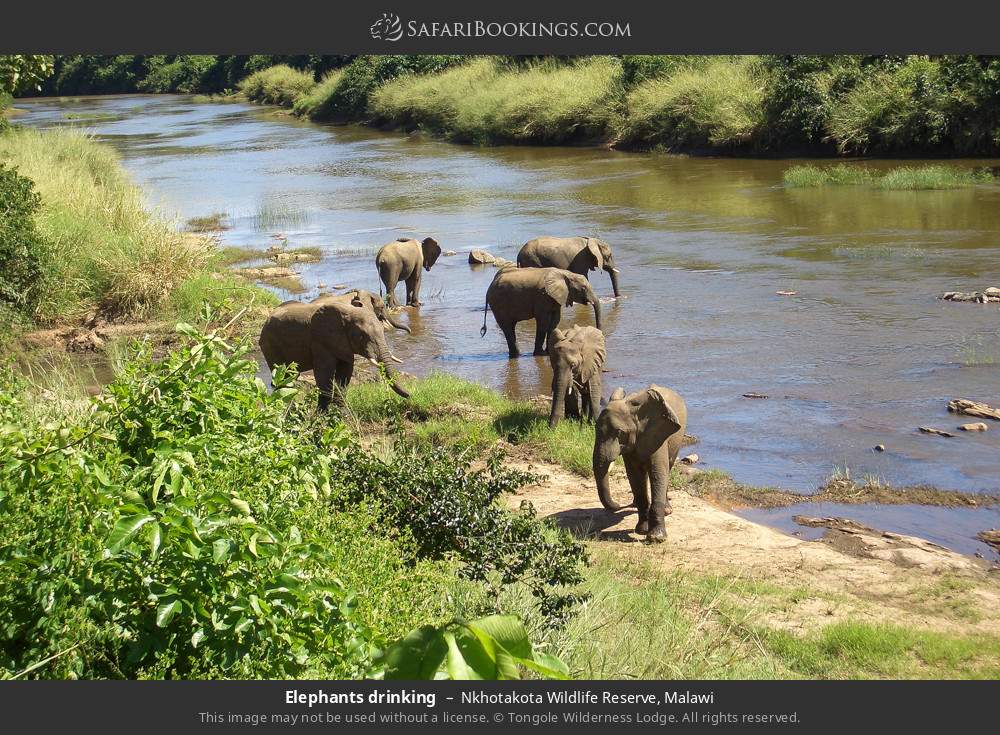
Malawi has quietly become one of Africa's most remarkable wildlife recovery stories — but a dangerous new threat is emerging from beneath the ground, as illegal gold mining rips into the heart of the country's most treasured animal sanctuaries. Malawi's wildlife is surging and conservationists use contraceptive jabs to keep predators under control, but illegal mining threatens animal sanctuaries from the largest to the smallest. Malawi is home to 2,400 elephants. According to the Department of National Parks and Wildlife (DPNW), wild animals roam about 11.6 percent of Malawi's total land size. However, DNPW director of research William Mgoola says the land reserved for wildlife conservation has come under siege from unregulated gold panning. He told lawmakers that game rangers have detected the highest illegal mining activity in the newly replenished Nkhotakota Wildlife Reserve, the oldest and largest of its kind in the country. "This threat is rising in Nyika and Mwabvi," he added. On the conservation side, the picture is genuinely impressive. Since 2022, African Parks has been administering contraception to some lionesses to control the big cat's population, estimated at 100 since the translocation of three to Majete, ending their 30-year absence. The country's wildlife wealth includes 36 cheetahs and 29 wild dogs, commonly called mimbulu. "The country is a big 5 destination and any tourist will see them," Mgoola said. "However, poaching is still a challenge despite significant strides. We need to strengthen law enforcement and border controls. We are also grappling with encroachment and land claims in protected areas. Additionally, illegal mining is an emerging threat, especially ongoing gold mining in Nkhotakota Wildlife Reserve." The story of Malawi's wildlife is ultimately a story about choices. The country has invested enormously — through public resources, international partnerships and community engagement — in rebuilding animal populations that were devastated by years of neglect and poaching. Allowing illegal gold mining to undo that work would be an act of national self-harm. Strong law enforcement, tougher penalties for illegal miners operating in protected areas, and alternative livelihood programmes for communities near reserves are all urgently needed to protect what Malawi has built. The wildlife belongs to every Malawian — and every generation that comes after.
Ratings & Reviews
No reviews yet — be the first to share your experience!