


The Decentralization Journey: How Local Councils Shape Community Development
Location
Posted
Description
`Development is most meaningful when it responds to the actual needs of the people. A community struggling with poor roads, limited access to clean water, inadequate health facilities or a shortage of classrooms needs solutions that reflect its local circumstances. This is one of the reasons decentralisation has become an important part of Malawi's development agenda.
For many years, major development decisions in Malawi were largely concentrated at the national level. However, the country has increasingly recognised the importance of involving local authorities and communities in identifying priorities and implementing development projects.
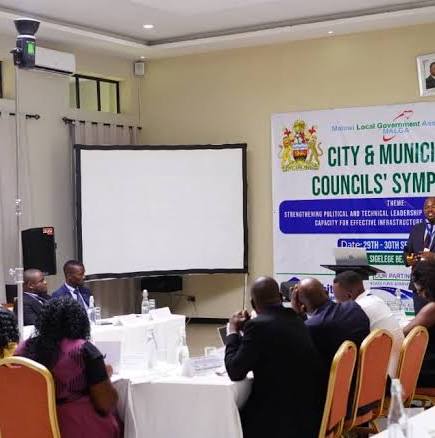
Today, district, town, municipal and city councils play an important role in shaping local development. They are responsible for planning, coordinating and supporting the delivery of services that directly affect people's everyday lives.
But how does decentralisation work, and how much difference can local councils make in improving communities?
Understanding Decentralisation in Malawi
Decentralisation refers to the transfer of certain powers, responsibilities and resources from central government to lower levels of government. Its main purpose is to bring decision-making closer to the people and allow local authorities to respond more effectively to the needs of their communities.
In Malawi, the decentralisation process formally began in 1998 with the introduction of the National Decentralisation Policy and the Local Government Act.
The Constitution of Malawi also provides for local government authorities. Under Section 146, councils are responsible for representing the people within their areas, promoting infrastructure and economic development, preparing local development plans and encouraging democratic participation.
The idea is simple: people who understand the challenges in their communities should have an opportunity to influence decisions about how those challenges are addressed.
For example, a community experiencing serious water shortages may identify the need for a borehole, while another may prioritise a bridge, classroom block or improved access road. Through local development structures, these priorities can be presented to the relevant council for consideration.
Decentralisation is therefore not simply about transferring government offices to districts. It is about transferring responsibility, strengthening local institutions and giving communities a greater voice in development.
The Role of Local Councils in Community Development
Local councils are among the most important institutions in Malawi's decentralisation system. They connect national development policies with the needs and priorities of people at the local level.
Their responsibilities cover several areas, including infrastructure, education, health, agriculture, water, sanitation, environmental management and community development.
One important responsibility is preparing and implementing local development plans. These plans help councils identify community needs, establish priorities and coordinate available resources.
For instance, a district council may identify poor road networks as a major obstacle to economic activity. Improving selected roads can make it easier for farmers to transport agricultural produce to markets, help patients reach health facilities and allow children to travel to school.
Councils also support the delivery of essential services. This includes activities related to primary healthcare, sanitation, local water supplies and education services, depending on the functions assigned to them.
Their work can also support local economic development. By improving infrastructure, providing business-related services and creating a more enabling environment for investment, councils can help communities participate in economic activities.
However, the effectiveness of these responsibilities depends on whether councils have sufficient funding, qualified personnel and the institutional capacity to carry out their duties.
Community Participation: Giving People a Voice
One of the strongest principles of decentralisation is community participation.
Development projects are more likely to address local needs when residents are involved in identifying problems, setting priorities and monitoring implementation.
In Malawi, Village Development Committees (VDCs) and Area Development Committees (ADCs) are important structures in this process.
VDCs help identify development challenges at village level and communicate community priorities through local development structures. ADCs bring together representatives from several villages and help coordinate priorities at area level.
These structures provide a connection between communities and district councils.
For example, residents may identify a shortage of classrooms in their area. Through their local development committee, the issue can be discussed, prioritised and presented through the appropriate planning process.
Community participation should not end when a project has been approved. Residents can also monitor construction work, raise concerns about poor workmanship and ask questions about the use of public resources.
This helps promote transparency and encourages communities to take responsibility for development initiatives.
When people are involved in decisions affecting them, development becomes more than a government activity. It becomes a shared responsibility.
Funding Local Development Projects
Even the best development plans cannot be implemented without financial resources.
Local councils depend on several funding sources, including transfers from central government, locally generated revenue and support from development partners.
Different funding arrangements support different types of projects.
The Constituency Development Fund (CDF), for example, provides resources for development initiatives at constituency level. It is intended to support projects that respond to local priorities.
The District Development Fund (DDF) is another funding mechanism that supports development activities within district councils.
Other funding windows and programmes support areas such as roads, health infrastructure, water and broader local service delivery.
These funds can help communities benefit from projects such as classroom construction, boreholes, market facilities, bridges and improvements to public infrastructure.
However, the availability of funding does not automatically guarantee successful development. Councils must plan carefully, follow procurement procedures, supervise contractors and account for the money they receive.
The public also has a responsibility to demand transparency and understand how development funds are being used in their areas.
Progress Through Decentralisation Programmes
Malawi has continued to introduce initiatives aimed at strengthening local governance and improving service delivery.
One example is the Governance to Enable Service Delivery (GESD) Project, supported by the World Bank. The programme was designed to strengthen local authorities' institutional performance, responsiveness to citizens and management of resources.
In April 2026, the World Bank announced an additional US$80 million grant for the second phase, GESD 2.0. The programme is intended to benefit people across 28 district councils and four municipal councils through improved public services, stronger financial management and greater accountability.
This investment reflects the continued importance of local authorities in Malawi's development plans.
The government has also been working to deepen decentralisation through policy reforms. In October 2024, it launched an updated National Decentralization Policy under the theme "Deepening Decentralization". The policy seeks to address weaknesses in the implementation of decentralisation, including resource availability, financial discipline and community participation.
These developments show that decentralisation remains an important part of the country's wider development journey.
Challenges Facing Local Councils
Despite the progress made, local councils continue to face challenges that affect their ability to deliver services effectively.
Limited financial resources One of the biggest challenges is inadequate funding. Councils are responsible for several services, but the resources available to them may not be sufficient to meet all community needs.
When funds are delayed or inadequate, projects may take longer to complete, while some planned activities may not be implemented.
Shortage of skilled personnel Effective local governance requires qualified professionals in areas such as engineering, finance, planning, procurement, agriculture and community development.
Some councils struggle with vacancies and limited technical capacity. This can affect project planning, supervision and financial management.
Political interference Development priorities should be guided by community needs and approved plans. However, political competition and interference can sometimes influence which projects receive attention.
This can result in resources being directed towards politically attractive projects instead of areas with the greatest development needs.
Weak accountability and transparency Public resources must be managed responsibly. Where financial reporting, procurement and project supervision are weak, communities may experience incomplete projects, poor-quality infrastructure or misuse of funds.
Limited community involvement Although Malawi has structures for community participation, their effectiveness depends on how well they operate. Some residents may not know how to communicate their priorities or follow up on decisions made by councils.
Addressing these challenges requires stronger institutions, responsible leadership, adequate funding and active citizen participation.
How Communities Can Support Effective Local Governance
Decentralisation cannot succeed through councils alone. Communities also have an important role to play.
Residents should participate in community meetings, engage development committees and communicate their priorities through established channels.
They should also take an interest in council development plans and understand which projects have been approved for their areas.
Monitoring development projects is equally important. Communities can ask questions about project budgets, implementation periods, contractors and the quality of completed work.
Local leaders and development committees should encourage inclusive participation, ensuring that women, young people, persons with disabilities and other groups have opportunities to contribute to decisions.
Furthermore, communities should protect public infrastructure after construction. A borehole, classroom block, health facility or community road requires proper care and responsible use to remain useful.
When citizens understand their rights and responsibilities, local governance becomes more accountable and development projects are more likely to reflect shared priorities.
Decentralisation and Malawi 2063
Malawi's long-term development agenda, Malawi 2063, aims to transform the country into an inclusively wealthy and self-reliant nation.
Achieving this vision requires development across all parts of the country, not only in major cities and commercial centres.
Local councils are important to this ambition because they help translate national development goals into activities that respond to district and community needs.
Agriculture, tourism, education, health, infrastructure and local enterprise development all depend on effective planning and service delivery.
For example, improving rural roads can support agricultural markets, while better water infrastructure can improve public health and create more productive communities. Investment in education and skills development can also prepare young people to participate in economic activities.
However, councils need sufficient authority, funding and capacity to fulfil these responsibilities. Decentralisation must therefore be supported by consistent government commitment and meaningful accountability at every level.
Conclusion: Development Begins at the Local Level
Malawi's decentralisation journey demonstrates the importance of bringing development decisions closer to the people they affect.
Local councils provide an important link between national policies and community needs. Through development planning, service delivery, resource management and public participation, they help shape the conditions in which communities live and grow.
Nevertheless, decentralisation is not successful simply because responsibilities have been transferred to local authorities. It must be supported by adequate funding, skilled personnel, transparent leadership and active community involvement.
The future of local development depends on councils that listen to residents, use public resources responsibly and deliver projects that address genuine needs.
For communities, the responsibility is equally important: participate, ask questions, monitor projects and protect public resources.
Ultimately, decentralisation is about more than government structures. It is about giving communities a meaningful role in shaping their own future. When local councils and citizens work together, development becomes more inclusive, accountable and responsive to the needs of the people.`

Ratings and reviews
No reviews yet. Be the first to share your experience.