MALAWI’S INDEPENDENCE WAS BORN ON THIS DAY
Location
Lilongwe
Posted
Tuesday, March 3, 2026Description
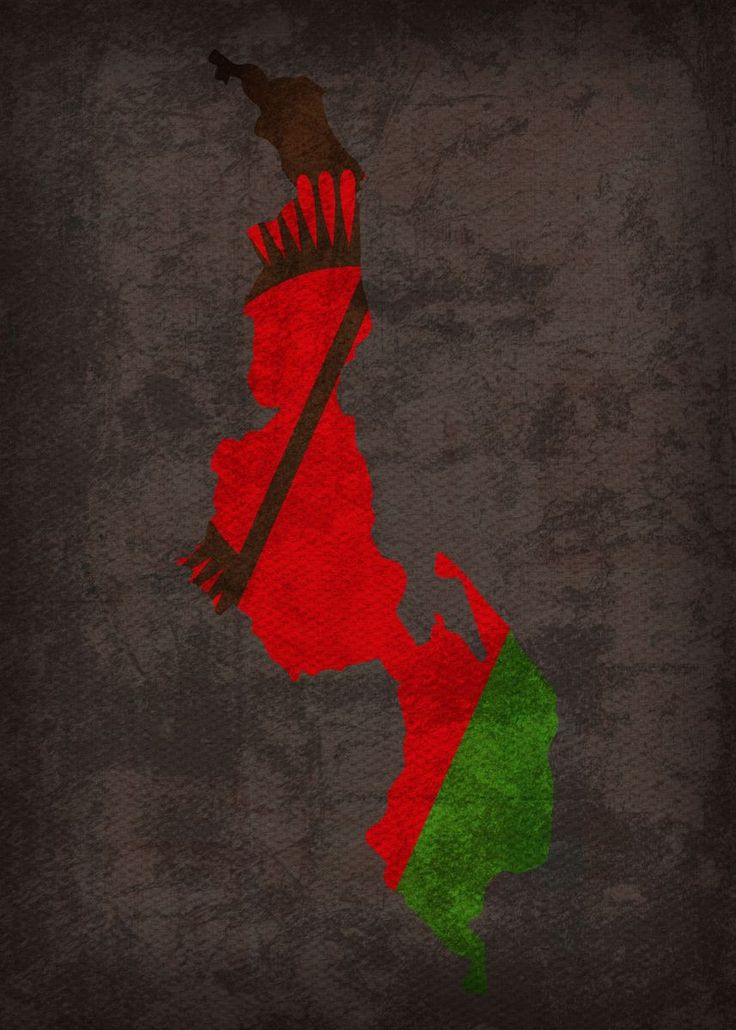
Malawi’s independence was not handed down politely at a conference table. It was born in blood, courage, and sacrifice. On 3 March, we pause to honour Malawi Martyrs Day not as a routine public holiday, but as a solemn reminder that the freedoms we enjoy today were paid for by ordinary Malawians who stood up to an empire. On a day like this, we pause not out of routine, but out of obligation to remember Malawian men and women who stood unarmed before guns, who were jailed, brutalised, and stripped of dignity, yet refused to surrender their demand for land, justice and self-rule. From their suffering came the foundations of a nation. If they could rise from their graves today, many would be deeply disturbed to see that only a small elite has shared Malawi among themselves, while corruption continues to choke the very nation they died for. Independence, in its truest sense, was born on this day.
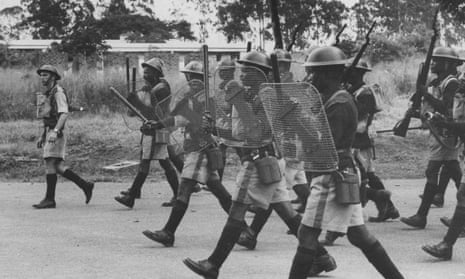
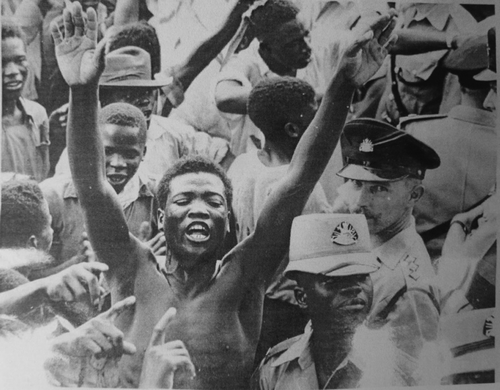
In early 1959, colonial authorities believed their political project the Federation of Rhodesia and Nyasaland was permanent. African resistance was dismissed as noise that could be suppressed. They were wrong. The rising tide of nationalism in Malawi, then known as Nyasaland, had reached a breaking point. Protests against colonial rule, land dispossession, racial injustice and political exclusion intensified. The colonial government responded with fear and then force. On 3 March 1959, the British administration declared a State of Emergency, marking the beginning of what history records as the Nyasaland Emergency.
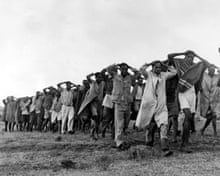
The response was brutal. Security forces opened fire on unarmed civilians. Villages were raided. Political meetings were banned. Thousands of Malawians were detained without trial,homes were destroyed and families were torn apart. More than 50 Malawians were killed and over 1,300 were imprisoned. Many were beaten, humiliated, and psychologically scarred. Their crime was simple: demanding the right to govern themselves. Among those arrested was Hastings Kamuzu Banda, whose detention only strengthened the resolve of the nationalist movement. The Emergency was meant to crush resistance; instead, it exposed the moral bankruptcy of colonial rule.
Ironically, 3 March 1959 became the day colonial certainty collapsed. The scale of violence and international condemnation shocked the British government. Investigations, including the Devlin Report, acknowledged that Nyasaland was effectively a police state. The myth that Africans were content under colonial administration was shattered.
After the bloodshed of that day, British authorities quietly accepted a new reality: The Federation would not survive.
Within a few years, the Federation was dismantled. In 1964, Malawi emerged as an independent nation. That journey began not in celebration but in mourning. Martyrs Day is not about wreaths and speeches alone. It is a moral audit.
Those who died in 1959 did not sacrifice their lives so that independence could be privatized by political elites, or so corruption could become routine, or so public resources could be looted while citizens struggle.
Ratings & Reviews
No reviews yet — be the first to share your experience!