WHY A NEW INQUIRY MATTERS AND WHY DISMISSING IT IS INTELLECTUALLY LAZY
Location
Lilongwe
Posted
Monday, March 2, 2026Description
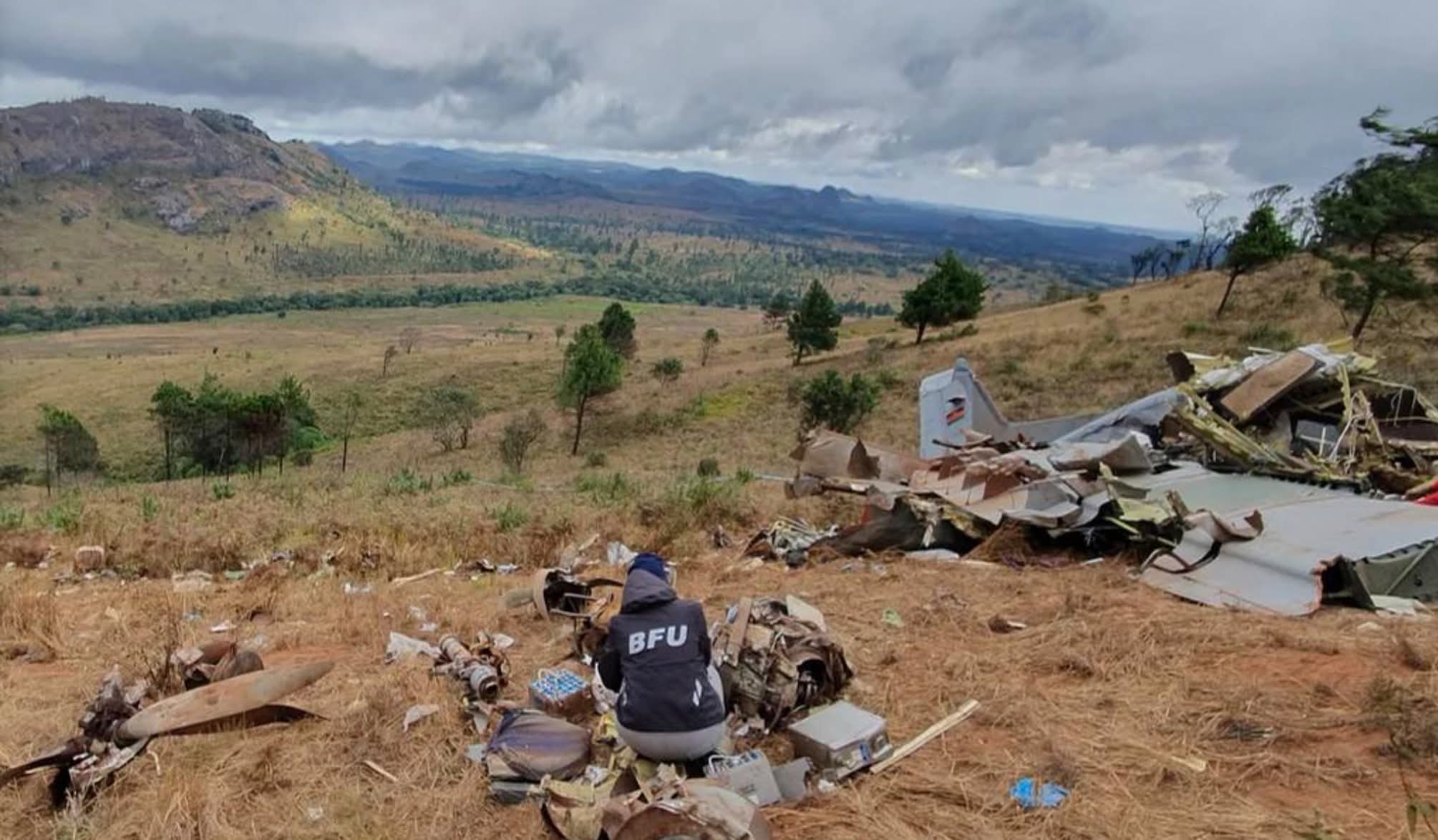
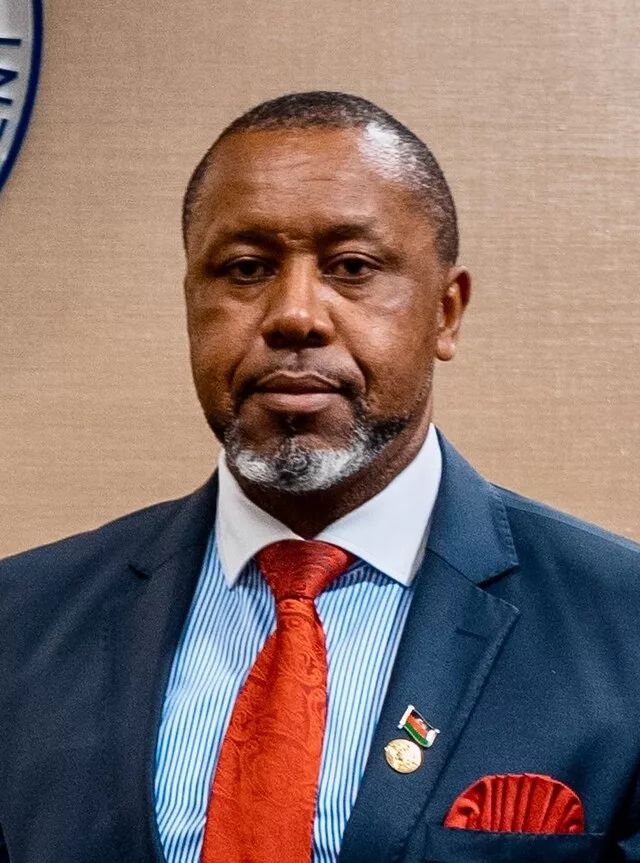
History has a habit of repeating itself when societies choose comfort over curiosity. That is why the announcement of a fresh inquiry into the plane crash that killed Malawi’s Vice President Saulos Chilima and eight others should not be dismissed with casual cynicism. Doing so is not skepticism it is intellectual laziness. To understand why new inquiries matter, Africa does not need to imagine hypotheticals. We have lived through them.
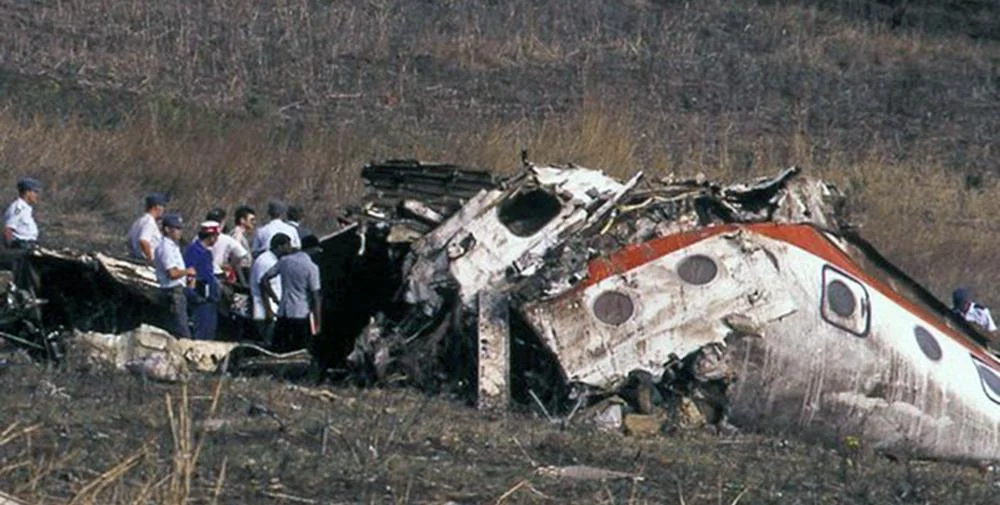
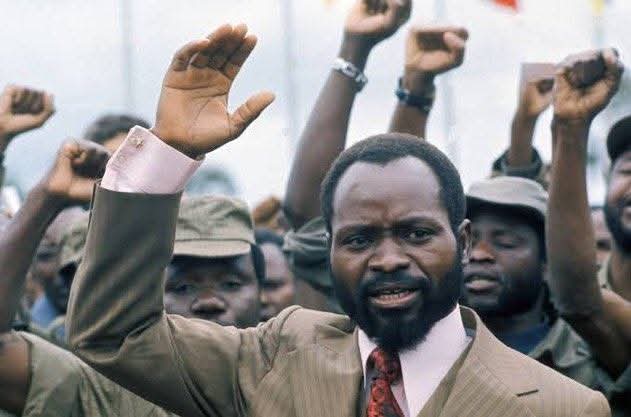
On 19 October 1986, the revolutionary leader of Mozambique’s liberation movement FRELIMO and the country’s first president, Samora Moisés Machel, was killed in a plane crash that shook the continent and the world. Also killed were 33 members of his delegation and crew, aboard a Soviet-built Tupolev TU-134A returning from a regional summit in Zambia. The aircraft crashed in the Lebombo Mountains near Mbuzini, in what was then eastern Transvaal (now Mpumalanga), inside South African territory right at the tri-border area of South Africa, Swaziland (Eswatini) and Mozambique . That single geographical fact immediately raised uncomfortable questions.
At the time, Mozambique was under armed attack from RENAMO, a movement locked in a brutal civil war with the ruling FRELIMO government. Regional tensions were high, and relations between Mozambique, South Africa, and Malawi were deeply strained. In the weeks before the crash, Mozambique’s Chief of Staff publicly accused Malawi’s President Hastings Kamuzu Banda of hosting RENAMO bases and issuing the rebels with travel documents. President Machel himself reportedly issued an ultimatum to Malawi, threatening to seal Mozambique’s borders if the support did not stop. This context matters. Plane crashes involving heads of state do not occur in political vacuums.
After the crash, a tripartite commission involving South Africa, Mozambique, and the Soviet Union was formed. Later, an International Commission of Inquiry was established under International Civil Aviation Organization procedures, which required South Africa where the crash occurred to lead the investigation. South Africa convened the Margo Commission , chaired by Justice Cecil Margo, which sat in Johannesburg in January 1987. But almost immediately, the process became controversial. Mozambique and the Soviet Union withdrew, accusing South Africa of refusing to treat them as equal partners.The cockpit voice recorder (black box) was withheld for weeks by apartheid-era security officials. Survivors reported delayed rescue, lack of medical assistance, and disturbing behavior by South African police at the crash site.
One survivor, Almeida Pedro, testified that police ignored wounded passengers while collecting documents, diplomatic bags and money. Another survivor, Fernando Maniel João—Machel’s bodyguard confirmed that authorities seemed more interested in belongings than lives. The first injured survivors reached hospital nearly 11 hours after the crash. South Africa also relayed false information to Mozambican authorities, initially claiming the crash occurred in Natal about 200 km away from the actual site and took nine hours to formally report the incident despite Mozambique already searching for the missing aircraft.
Ratings & Reviews
No reviews yet — be the first to share your experience!