LAKE MALAWI IS MALAWIAN YESTERDAY, TODAY’S, FOREVER
Location
Lilongwe
Posted
Wednesday, February 18, 2026Description
LAKE MALAWI IS MALAWIAN YESTERDAY, TODAY’S, FOREVER
In every nation’s story, there are symbols of pride so deeply rooted in the national soul that even their mention can stir emotion. For Malawi, one such symbol is “Lake Malawi” . A body of water so grand it touches nearly every Malawian life either by beauty, economy, identity, or memory and yet, over the years, whispers have grown louder does Lake Malawi really belong to Malawi? Let us end the whispers with facts, history and pride.Tanzania, formerly known as Tanganyika, was a British mandate territory until 1961.
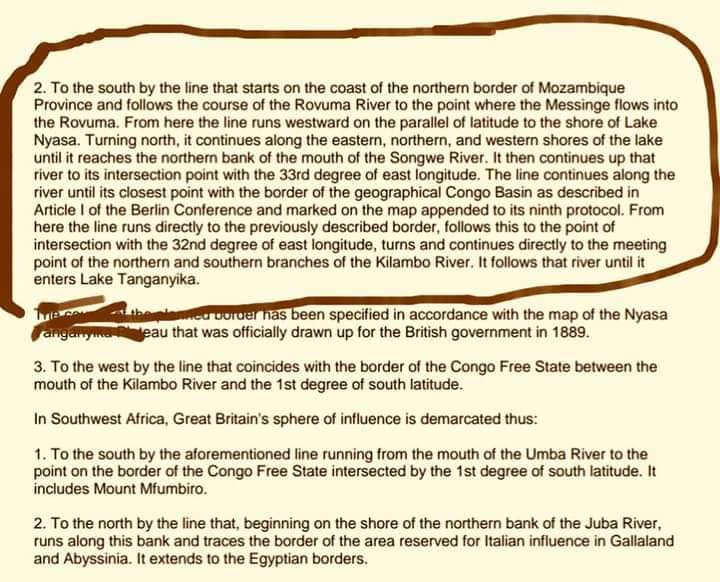
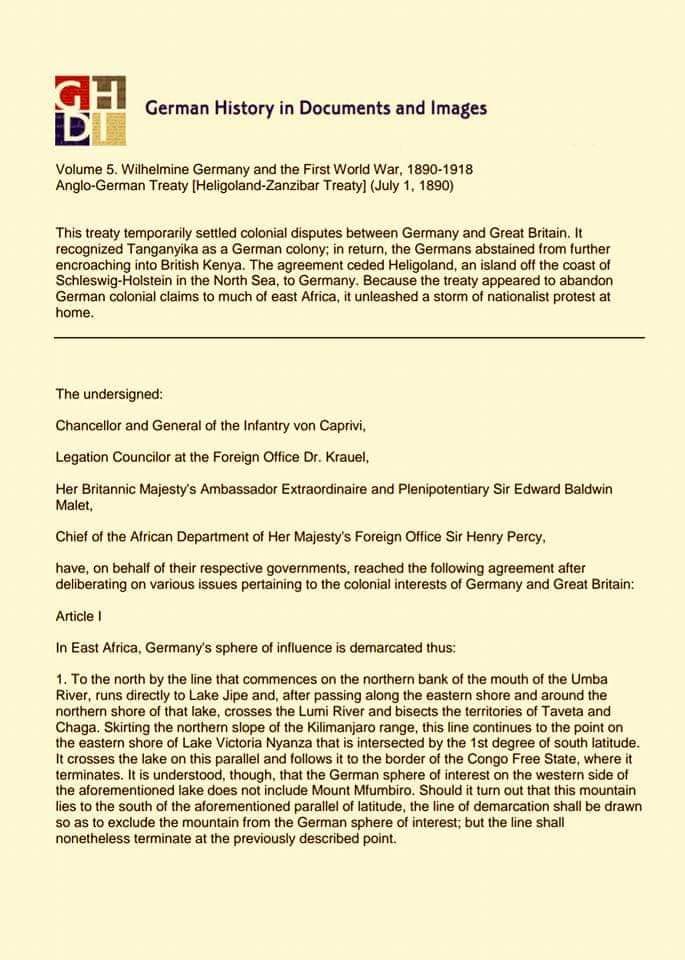
The boundaries between Malawi (then Nyasaland) and Tanzania (then Tanganyika were well-established by the “HELIGOLAND-ZANZIBAR TREATY OF 1890, signed by Britain and Germany. This treaty made one thing crystal clear.
The eastern shoreline of Lake Malawi was and remains the international boundary. That means Lake Malawi, in its entirety, lies within Malawian territory . No ambiguity. No middle-sharing. The lake is not split; it belongs wholly to Malawi.
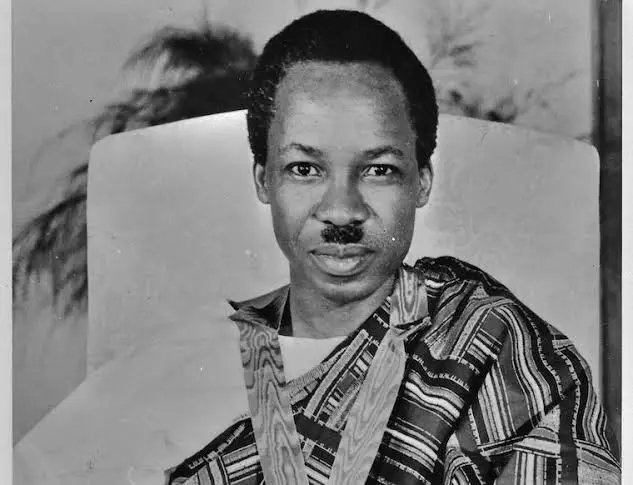
Even the father of the Tanzanian nation, Mwalimu Julius Nyerere, acknowledged this truth. In Tanzania’s Legislative Council, Nyerere reportedly stated. Tanzania cannot claim any part of Lake Malawi because not a single drop of water belongs to us under the agreement between the British and the Germans.”
These are not claims by Malawian patriots; these are affirmations by Tanzanian leadership. The legal and moral right to the lake is unshaken. Requests are not rights, The boundary dispute originates not from a legal claim, but from a humanitarian request. In the early years of independence, community leaders from Songea District in Tanzania pleaded with their government to ask Malawi to consider redrawing the boundary. Their argument. They relied on the lake for drinking, cooking, fishing, and sometimes suffered from flooding.
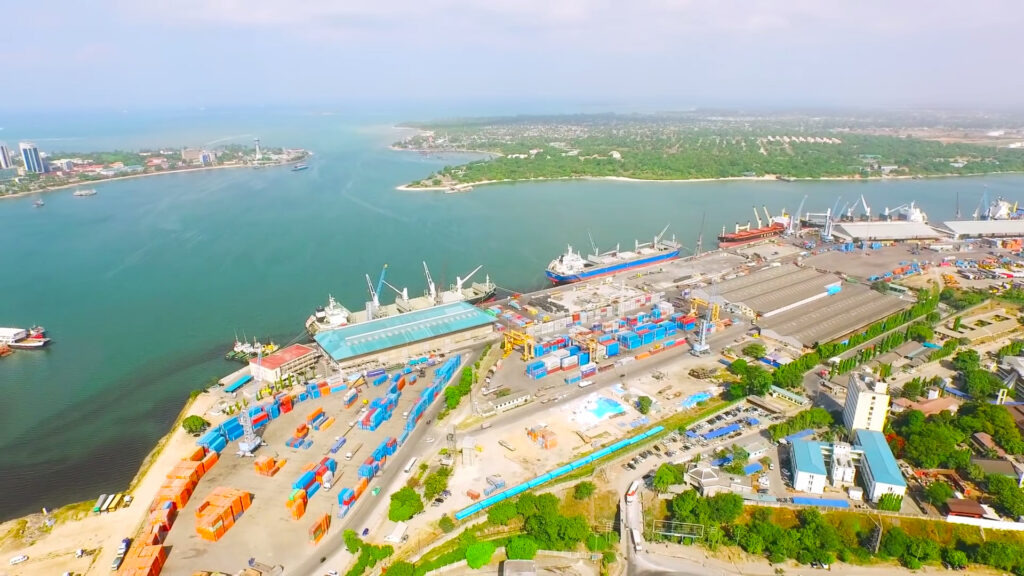
Chief Mhaiki of Songea even suggested the boundary be moved to the lake’s midpoint.But here’s the truth: necessity does not override sovereignty. The Zambezi flows through multiple countries, but no nation claims another’s stretch of it. Sharing resources is one thing; surrendering ownership is another. Tanzania Port Authority signed a $31.8 million construction contract for the port with China’s Xiamen Ongoing Construction Group in early January last year expanding Mbamba Bay Port on Lake Malawi without seeking consent as the lake boundary dispute between us remains unresolved.
Some Malawians have panicked, thinking this means Tanzania now owns a portion of the lake. Let’s clarify: constructing a port doesn’t equal ownership. Leasing land doesn’t make you the landlord. Malawi retains legal and sovereign rights to the entirety of Lake Malawi. If pushed, Malawi has the power and the right to diplomatically or legally reclaim control over any unauthorized use of its waters. This is not just a border issue it’s a matter of identity and economic security. Lake Malawi supports
Ratings & Reviews
No reviews yet — be the first to share your experience!