The Federation of Rhodesia and Nyasaland (1953–1963)
Location
Lilongwe
Posted
Friday, March 27, 2026Description
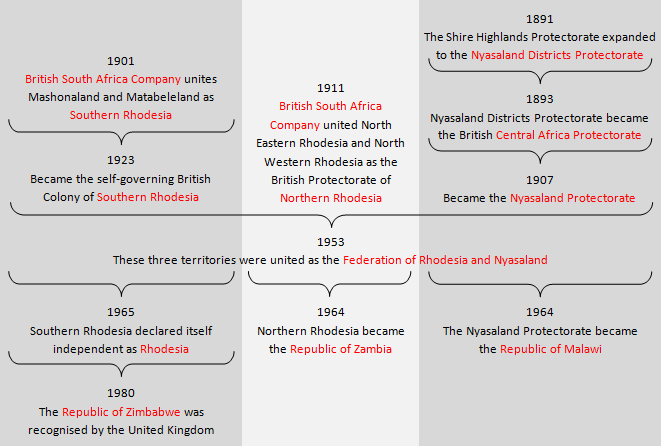
Between 1953 and 1963, southern and central Africa experimented with one of the most ambitious political projects of the colonial era: Federation of Rhodesia and Nyasaland. Known officially as the Central African Federation, it brought together three territories with intertwined economies, railways, and peoples yet vastly different political aspirations.
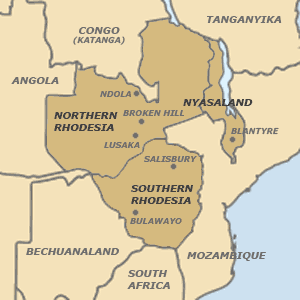
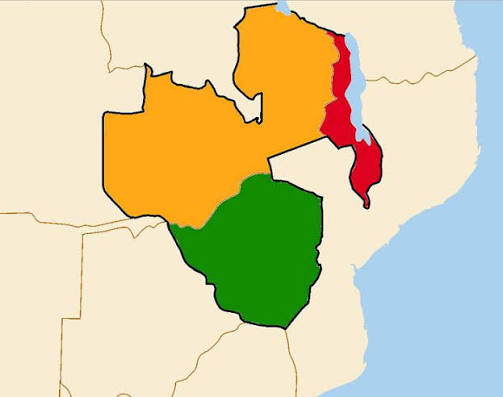
This is a story that still echoes across Malawi, Zambia, and Zimbabwe today. The federation united Southern Rhodesia (now Zimbabwe),Northern Rhodesia (now Zambia),Nyasaland (now Malawi).
The British government promoted the federation as a way to pool resources, accelerate industrial growth, and counter growing African nationalism while white settler elites viewed it as a mechanism to protect political and economic dominance.
From the outset, the federation carried a contradiction economic integration without political equality.The federation Motto was "Magni Esse Mereamur" — Let us deserve to be great and the Anthem wasa "Rise, O Voices of Rhodesia and Nyasaland"
These symbols projected unity and ambition, though many Africans experienced the federation as imposed rather than chosen.
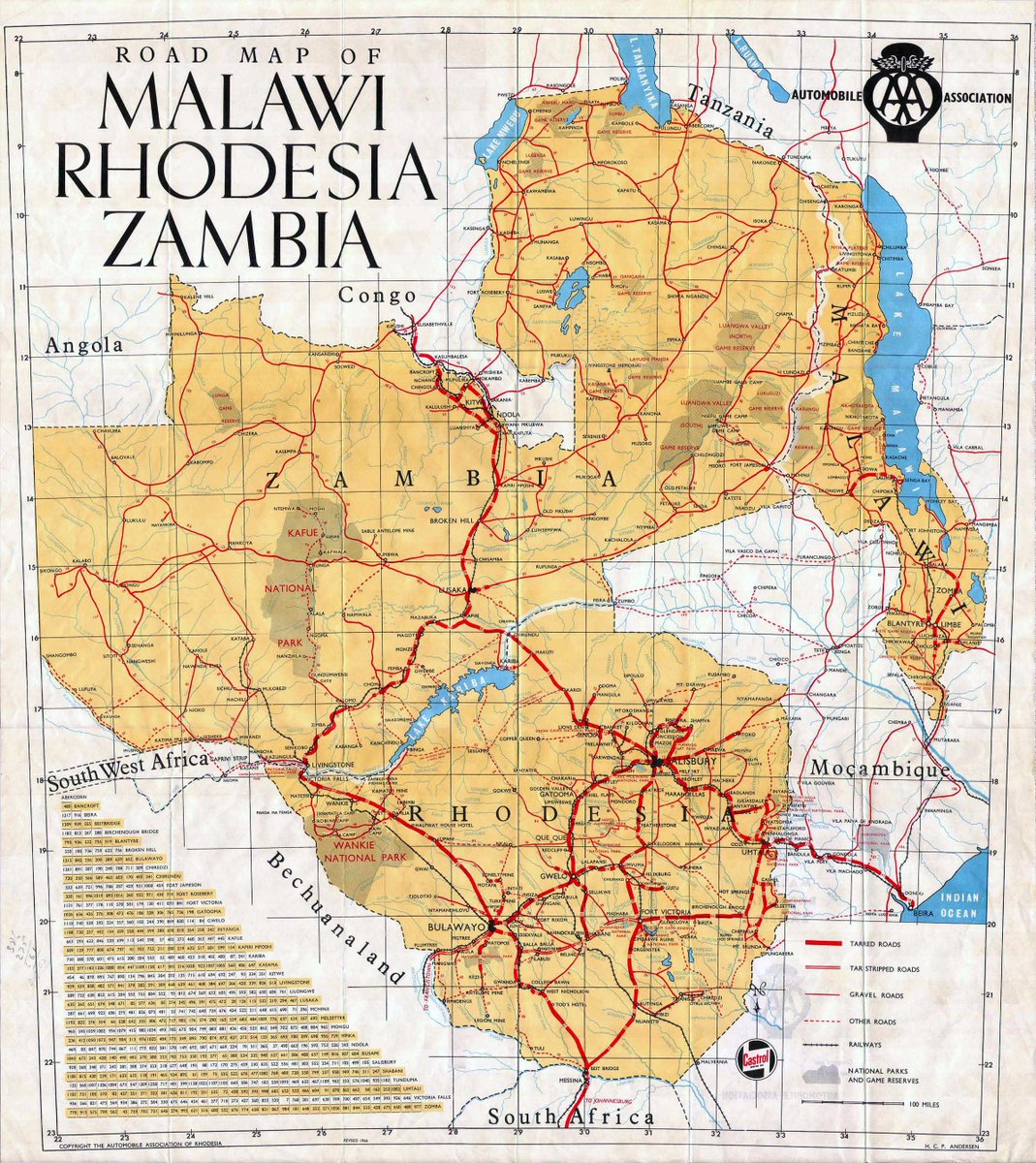
The Federal Capital was Salisbury (now Harare) and the Largest Urban Centers were Salisbury and Bulawayo, with Lusaka and Blantyre serving as vital regional hubs.
Railways and roads tied these cities together, forming the backbone of regional trade. The federation currency was Rhodesian and Nyasaland pound. Economically, the federation was strongm Northern Rhodesia’s (Zimbabwe)copper fueled industrial expansion. Southern Rhodesia (Zambia )provided agriculture, manufacturing, and finance. Nyasaland (Malawi)contributed labour and agriculture, though it received the least investment.
At its peak, the federation was one of the most industrialized regions in Africa south of the Sahara.The federation maintained a unified military structure, largely inherited from colonial forces. Dominated by white officers,africans mostly confined to lower ranks. Security forces were often used to suppress nationalist protests rather than defend popular interests.
Economically the federation worked . Politically it failed, infrastructure expanded, infrastructure industries grew and living standards rose for a minority. Political power remained heavily skewed towards settlers . With Africans largely excluded from decision making . Economic growth without political inclusion proved unsustainable.
By the late 1950s, resistance intensified Hastings Kamuzu Banda in Nyasaland,Kenneth Kaunda in Northern Rhodesia,Joshua Nkomo in Southern Rhodesia. Africans rejected the federation not because they opposed unity, but because unity was unequal. Detentions, states of emergency, and repression only strengthened the nationalist cause.
Under mounting pressure, Britain accepted the inevitable:Nyasaland and Northern Rhodesia chose independence,Southern Rhodesia refused majority rule and went its own path.
Ratings & Reviews
No reviews yet — be the first to share your experience!